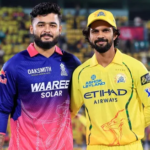

Cricket rivalries rarely stay frozen in one era. They begin with old scorecards, famous spells, fearless chases, painful collapses, and matches that supporters carry for years. Yet every new generation changes the meaning of those memories. A rivalry shaped by patient Test batting can later become a battle of powerplays, matchups, finishers, and fearless young captains.
Fans now follow these changes through timelines, highlights, social media clips, live results, and short digital breaks between sessions. During long match days, some may move from cricket updates to entertainment searches such as desi online casino slots, but the deeper pull of a rivalry still comes from players, pressure, national pride, and the feeling that one match can shift how an entire era is remembered.
Rivalries Begin With Shared Memory
There are memories in every good competition. It could be a famous chase, a hostile spell, a last-over victory, a World Cup clash, a home-series revival or a player who grew a mustache of defiance. These moments make supporters care in advance of the start of a new match.
But a time line makes those memories a story. It reveals when one party was in control, when the other party was in response and when things began to shift. A single result can be important but a chain of results can make meaning. As a result, fans tend to go back to the old series before a big tour. They crave context, emotional “fuel” and a way to recall the past.
Older matches also shape the expectations placed on younger squads. A new batter may walk into a rivalry already carrying the weight of past failures or famous wins. A young bowler may face comparisons with legends from a different era. The rivalry becomes bigger than the eleven players on the field because memory travels with the contest.
New Players Change the Tone of the Contest
The young people redefine a feud. Teams grow into their form by the way they bat, the bowling resources they have, their fielding standards, fitness, and their temperament. When you have threatless top-order hitters, a defensive batting battle can get defensive. A race that’s based on pace can become a spin or general development race or death-over execution race.
There are also different emotional energies from young players. They might not have as much baggage from past failures to overcome. They might not regard a renowned rival as a burden, but a challenge. Changes body language, shot selection, and handling of pressure.
A new player can also alter fan memory quickly. One innings, one spell, or one catch can become the starting point of a new phase. Supporters begin to say, “That was when things changed.” Timelines help capture these turning points because they show how individual performances become part of a larger rivalry arc.
Great rivalries survive because they allow new players to add their own marks. The past creates the foundation. The next generation changes the shape.
Captains Redraw the Balance of Power
Captaincy can transform a rivalry faster than almost any other shift. A captain chooses the tone of attack, the patience of defense, the field placements, the bowling changes, and the risk level in pressure phases. Over time, those choices affect how a team approaches a familiar opponent.
Some captains build control through discipline. Others prefer aggression and early pressure. Some trust senior players during tense passages. Others back younger talent before the wider public feels ready. Each leadership style changes the identity of the rivalry.
This becomes clear across formats. In Tests, a captain may hold a field for an hour to create one mistake. In ODIs, the same leader must manage middle-over tempo and bowling resources. In T20s, captaincy becomes sharper and faster, with matchups changing every over.
When a rivalry passes from one captain to another, the emotional tone can shift. A series that once felt cautious can feel bold. A team that once absorbed pressure can begin creating it. This is where timelines become useful because they show leadership eras side by side rather than treating every match as an isolated result.
Formats Create Different Kinds of Pressure
Cricket rivalries change because cricket itself changes. The same two teams can produce entirely different contests in Tests, ODIs.
Test cricket stretches tension across sessions. A rivalry here often turns on patience, pitch wear, long spells, batting discipline, and the ability to recover after a poor hour. The pressure builds slowly. A wicket before lunch can matter as much as a boundary late in the day.
ODI cricket brings calculation. Teams think about run rates, middle-over control, batting depth, and finishing roles. Momentum moves more visibly. A partnership can rebuild a chase. A tight spell can reshape the last ten overs.
Generational shifts feel stronger when formats evolve. A rivalry once remembered through five-day battles can gain a new audience through short-format intensity.
Fans Remember Turning Points More Than Numbers
Scorecards only list the outcome of the game. However, it is the fans who recall the incidents which gave life to the game. A dropped catch, a spell of reverse swing, an extremely risky stroke, a composed pursuit, a sudden downfall, or a last boundary can be etched in memory to a great extent.
That is why rivalry timelines matter. They organize emotional turning points, rather than listing results in a flat order. They help fans see patterns: who controlled an era, which player changed the mood, where a team found belief, and when an opponent began to look beatable.
The reference points for generations of fans are different. Older fans will recall a famous Test series. Younger fans can link up via a T20 finish or a World Cup clip. Memories can be shared between the same rivalry. They make a stacked sports narrative that continues to grow.
The Next Era Keeps the Rivalry Alive
Rivalries are sustained within cricket because every generation gets the legacy and defiles it. New captains have new plans. Young players mustered up new courage. Formats put pressure on new avenues. Old memories are brought to new contests by fans.
This movement is well illustrated by the best timelines. They show a competition over time, not a competition of wins and losses. They demonstrate the power of an opening innings, an opening spell and the power of one young player to bring in a new chapter.
Rivalry is never forgotten by the generations. They add another dimension to it. That is why old timelines are always used in cricket before new ones before the fans. The next time the contest is always a reminder of the past and a promise for the future.